
How Often Does a Septic Tank Need Cleaning?
There's no single answer that fits every house. Tank size and household size drive septic tank cleaning frequency more than anything else. A 1,000 gallon tank serving a family of four fills differently than the same tank serving two retirees, and that gap adds up over years. Most homeowners in West New York land somewhere in the 3 to 5 year window. Garbage disposals, long showers and laundry habits all shorten the interval. If you're not sure where your property sits, septic tank pumping cost planning starts with knowing your tank size, not guessing at it. West New York sits about 1.6 miles south of Weehawken and 5.7 miles east of Secaucus, and soil conditions and lot sizes vary block to block here, which is another reason a blanket schedule doesn't work for every address. If you've never had the tank located or measured, that's the first call to make before you set a pumping calendar. Our septic pumping service starts with a level check, not a truck showing up blind.
What Happens If You Wait Too Long?
Waiting past the recommended window doesn't just risk a mess, it risks the drain field, which costs far more to fix than a pump-out ever does. Solids that aren't removed on schedule get pushed into the leach field, where they clog soil that's expensive and slow to replace. That's the real cost of skipping septic tank cleaning: not the pump-out fee, but everything downstream of it. Watch for septic tank warning signs between scheduled services, things like slow drains, gurgling pipes or standing water near the tank lid. Homes closer to Cliffside Park and Fort Lee, both within about 3 to 5.5 miles of West New York, deal with similarly tight lot spacing, so backups tend to show up indoors fast rather than pooling harmlessly outside. If you're already seeing signs, don't wait for the next scheduled visit. Call our emergency septic service line and we'll get someone out. For businesses running kitchens, a related but separate concern is grease trap pumping, since a grease interceptor gets pumped once fats, oils, grease and solids reach 25 percent of the liquid depth, not on a fixed calendar like a home tank.
When Should You Schedule a Pump-Out?
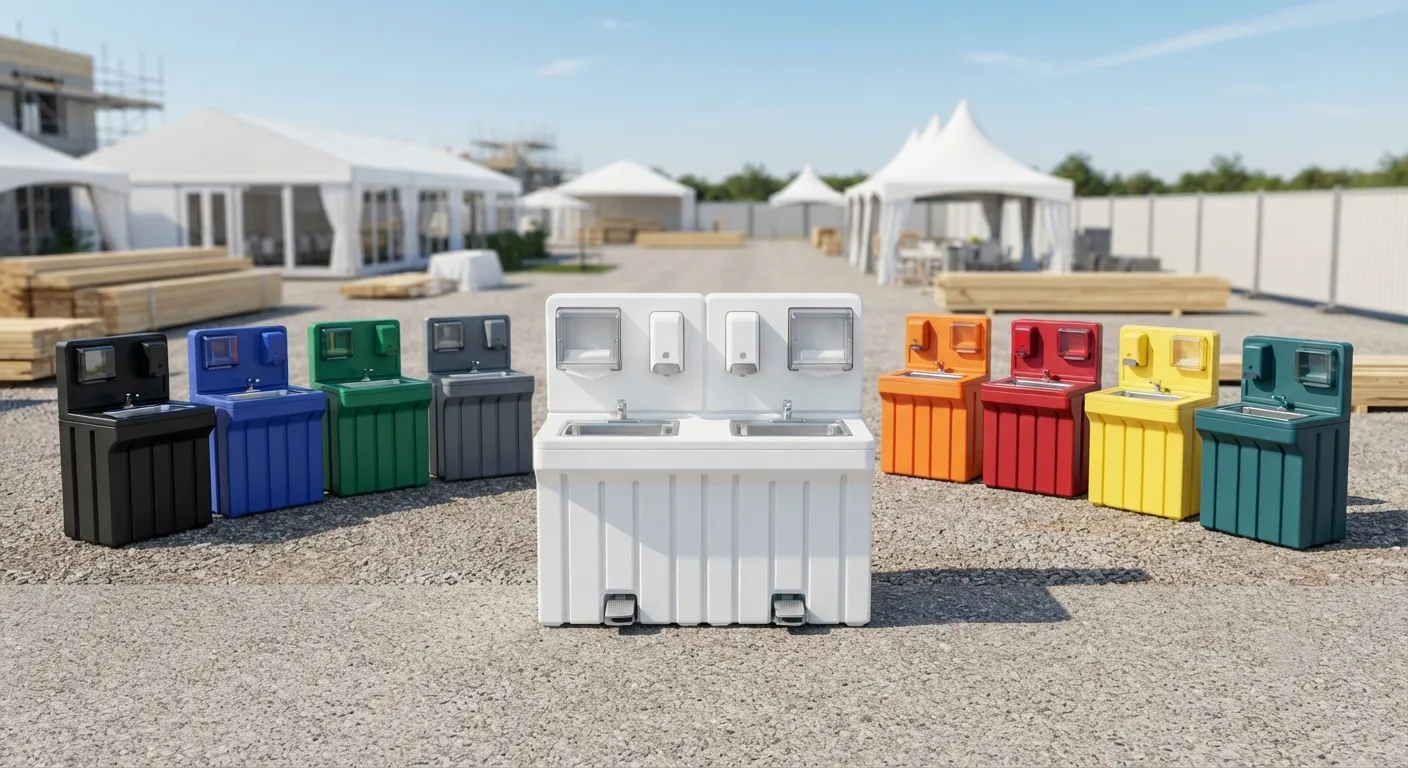
Schedule before symptoms show up, not after. The 3 to 5 year range is a planning window, not a deadline you wait to hit. Households that added people, renovated a bathroom, or installed a garbage disposal since the last pump-out should move toward the shorter end of that range. If you're building an addition or running a renovation crew through the house, temporary sanitation matters too. A home renovation porta potty keeps contractors off your indoor plumbing while work is underway, which takes pressure off the septic system during a period when it's already stressed by construction debris and extra water use. For general potable water requirements on a job site, OSHA 1926.51(a)(1) requires an adequate supply wherever people are working, which is a separate standard from anything septic-related but worth knowing if you've got a crew on site for weeks. Renovation projects also tend to generate waste that has nothing to do with the tank. A roll-off dumpster rental handles debris, and check what cannot go in a dumpster before you fill it, since certain materials need separate disposal.
Do You Need a Holding Tank Instead?
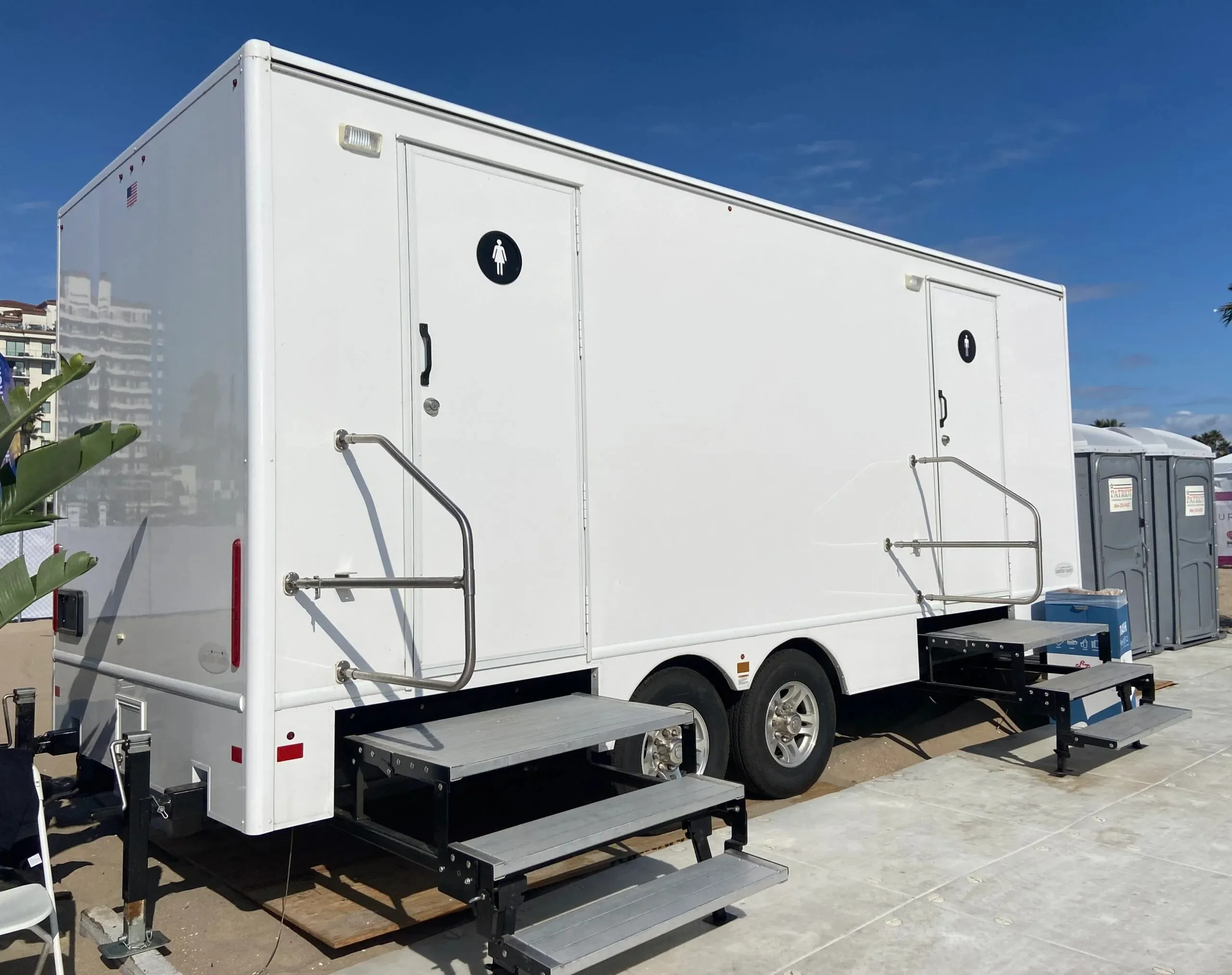
Sometimes yes, especially if your septic system is between services, undersized for an event, or temporarily out of commission. A holding tank rental gives you a way to keep water use going without pushing more volume into a system that's already near capacity. This comes up a lot around events. If you're hosting anything with a crowd in West New York, from a backyard gathering to a larger event restroom rental setup, adding portable capacity keeps guest bathroom traffic away from a home septic system that wasn't built for it. The same logic applies to standard rentals for smaller gatherings. A standard porta potty rental or a portable restroom rental for a weekend event costs far less than an emergency septic call the week after. If accessibility is a concern for guests, ADA accessible porta potty units meet ADA Standards 213.2, which requires at least 5 percent of clustered single-user units to be accessible, and never fewer than one.
How do I know my tank size?
Check your property records or the original septic permit, which usually lists tank capacity in gallons. If you can't find it, we can locate and measure the tank during a service visit. Most homes run 1,000 to 1,500 gallon tanks, but older properties vary more.
Does household size really change the pumping schedule?
Yes. A family of five generates more wastewater and solids than a couple, so the tank fills faster and needs pumping closer to the 3 year mark. Smaller households sometimes stretch to 5 years, but soil and tank condition still matter.
Can I pump my own septic tank?
No, this isn't a DIY job. Pumping requires a vacuum truck, proper waste disposal, and knowing how to avoid damaging the tank or lid. Our septic pumping service handles the whole process safely.
What's the difference between a septic tank and a grease trap?
A septic tank handles household wastewater on a multi-year cycle. A grease interceptor is pumped when fats, oils, grease and solids hit 25 percent of the liquid depth, which happens much faster in a commercial kitchen. See grease trap pumping for that schedule.
Is emergency septic service available in West New York?
Yes. Backups and overflows don't wait for a convenient time, so we run emergency septic service for exactly that situation. Call as soon as you notice slow drains or odors, before the problem reaches the drain field.

Next step
Get a delivery date
Tell us the address, the dates and the headcount. We size the order and confirm the route.